

2026 Fitness Trend Predictions From A Certified Personal Trainer
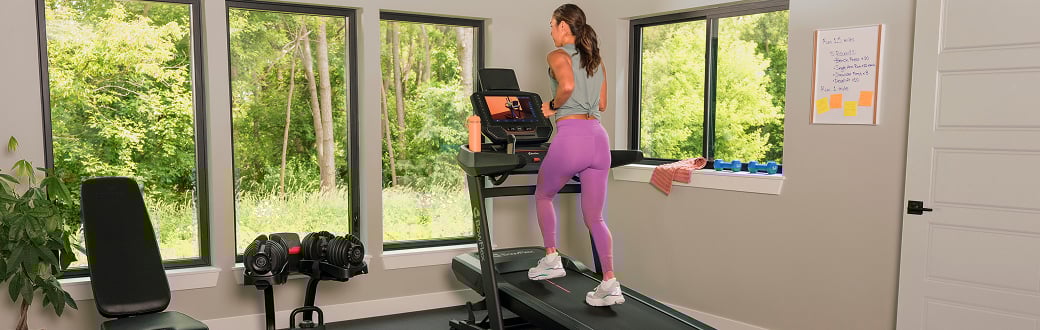
The fitness industry has seen continued shifts and innovations over the years — from the introduction of the Power Rod resistance system in the late 80's (yeah, that's us!), to the rise in connected fitness, AI-driven personalized workouts, and much more.
As 2025 comes to a close, we asked BowFlex Fitness Advisor and Certified Personal Trainer Amy Schemper to share the biggest 2026 fitness trends she expects to see, reflect on the trends she loved this year, and the ones she's ready to let go of.
Whether you're planning to upgrade your home gym or refresh your fitness routine in the new year, here are some fitness trends to watch.
Top 3 Fitness Trends to Look Out for In 2026
Trend #1: Strength Training & Functional Fitness for All Ages
Interest in strength training has been on the rise for years, but in 2026 it's expected to become even more popular, given the impact it can have on your overall health and well-being. "Strength training is having a moment, especially when it comes to strength for longevity and health over aesthetics," says Amy.
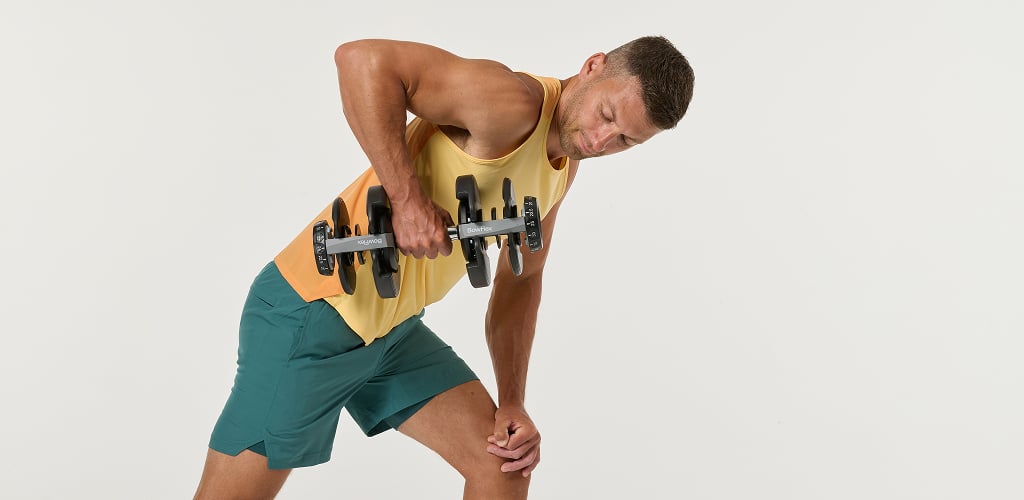
Strength training, or resistance training, using home fitness equipment like dumbbells, barbells, and kettlebells paired with functional movements that mimic real life (push, pull, hinge, rotate) are an important foundation for wellbeing, explains Amy. This includes younger lifters, as well as older adults who want to maintain strength and mobility as they age.
Innovative home gym equipment, like BowFlex's Results Series SelectTech 552 and 1090 adjustable dumbbells, make it easy to prioritize strength training right from home. Space-saving and designed with durability in mind, these dumbbells feature metal tabs to keep weight plates secure during workouts, ensuring stability with every rep. Plus, the ergonomic, anti-slip grip ensures confident, controlled lifts, no slipping or shifting, just focused strength training.
Trend #2: Wearable Tech, Data-Driven Training, and AI Personalization
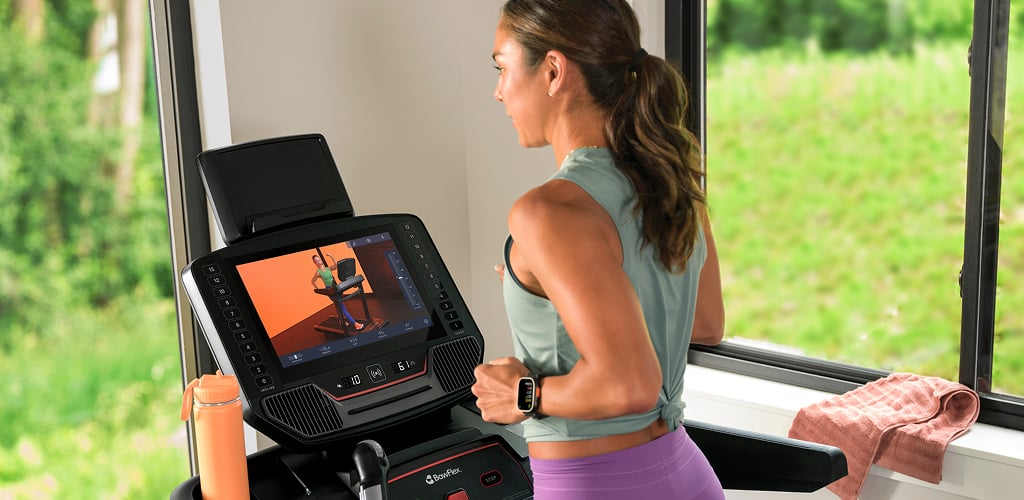
Wearable fitness technology continues to advance rapidly, with more people relying on their smart watches and rings to optimize their training. "Wearables plus AI/analytics allow us to monitor real-time metrics like heart rate variability, sleep, recovery, glucose, and stress — and then use that data to tailor your workouts, recovery strategies and load management," explains Amy.
As more people rely on their recovery metrics to inform future workouts and activities, thoughtful feedback, personalized fitness solutions, and enhanced connectivity will become even more important in 2026. "We'll see a shift from just tracking the data, to actually using the data in more meaningful ways," she says.
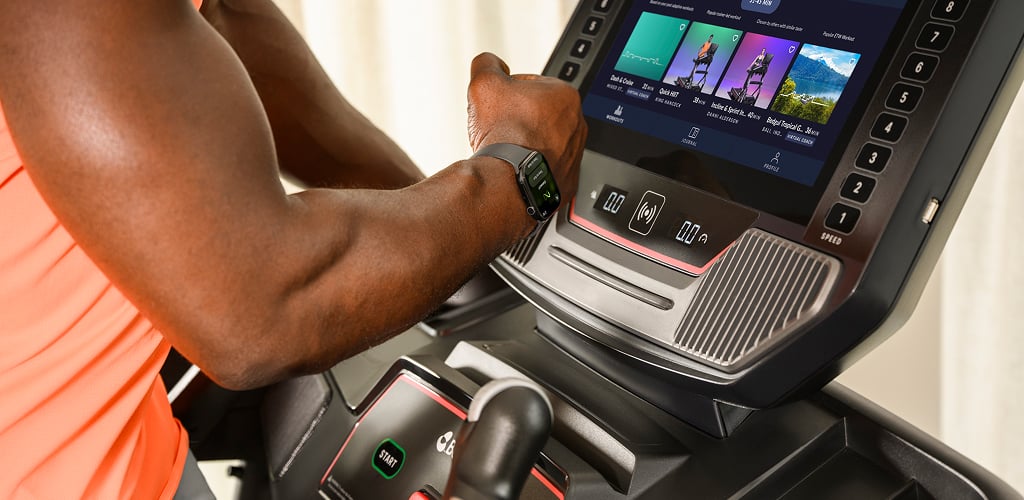
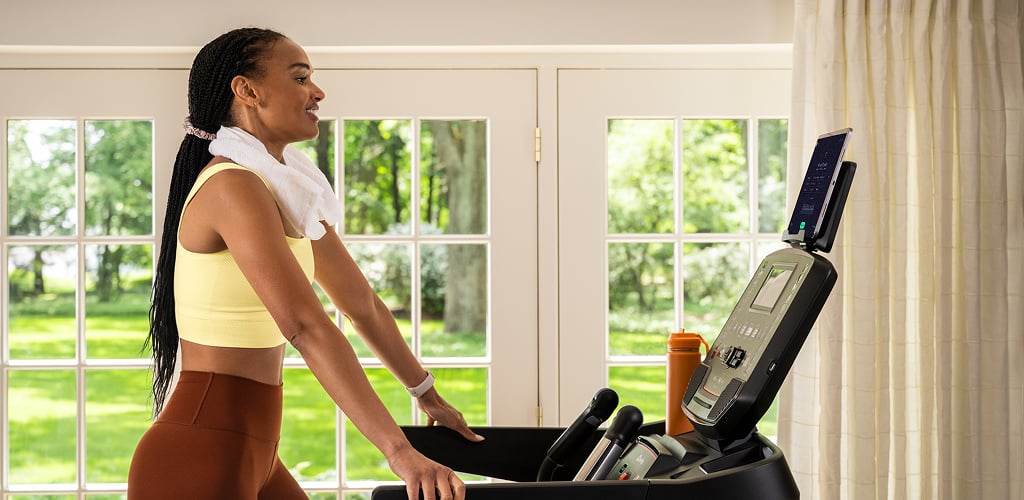
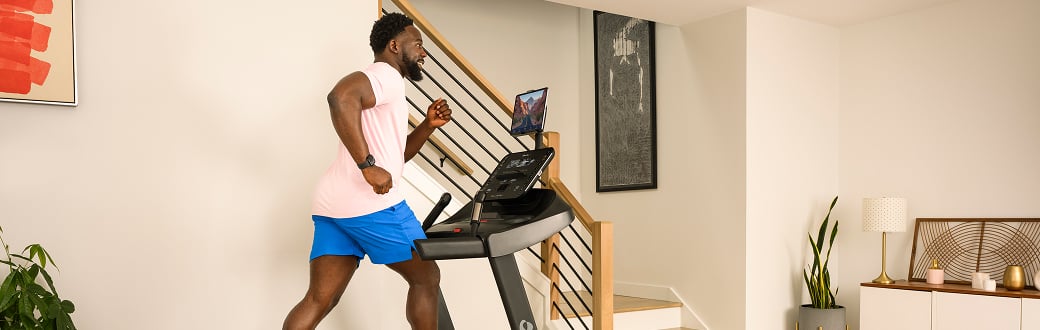
If you're already an Apple Watch or Samsung Watch user, get excited: BowFlex T6, T9 and T16 treadmills are compatible with your watch. Simply tap your watch to sync your workout data, including heart rate, speed, and distance. Plus, with the JRNY adaptive fitness platform, you can get personalized cardio, strength and whole-body workouts that evolve as you do. The platform learns with each use by assessing your fitness level and recommends workouts based on your abilities, available time, how you're feeling, and more.
Trend #3: Workouts at Home and At-Home Gym Innovations
More people are embracing at-home workouts and Amy says that trend isn't going anywhere in 2026. "Many people are opting to build or enhance home gyms with equipment that rivals what you'd find in a commercial gym: multi-function machines, adjustable dumbbells and kettlebells, benches, and innovative connected gear."
Convenience is a key factor in at home workout preferences and, "with advancements in connected equipment, it's easier to replicate the gym experience at home, or even exceed what small commercial gyms offer, and often at a lower cost."
If you're looking to build out your home gym this year, think about including versatile cardio equipment and space-saving strength equipment that can grow with you as you get stronger. A treadmill that stows away while not in use, multi-functional ellipticals, and adjustable strength equipment are all stand-outs — especially for small spaces.
Q&A with Amy Schemper, BowFlex Fitness Advisor Certified Personal Trainer
In addition to sharing her perspective on 2026 fitness trends, Amy also reflected on the 2025 fitness landscape — what she resonated with, and what she's ready to leave behind. Take a look at what she had to say.
What fitness trends from 2025 did you really like and want to continue next year?
Amy: I love that strength training not only gained popularity during 2025, but it was actually trendy to be strong and lift heavy for women! I hope we continue to move away from working out to look a certain way, and focus more on how fitness makes us feel, and how it can enhance all areas of our lives.
What fitness trends from 2025 are you ready to leave behind?
I'm over the extreme "all or nothing" challenges or fad-workouts that ignore recovery or longevity, like the 75 Hard challenge, with minimal rest and a "go hard or go home" mentality. I prefer sustainable and consistent over shock value.
I'm also ready to leave behind, over-emphasis on cardio without strength/resistance or mobility components. While cardiovascular training is essential, the days of doing cardio strictly to burn calories or strength just to "tone up" are over.
Finally, I'm over workouts that require big-time blocks or multiple pieces of equipment—let's focus on quality over quantity and keeping it simple.
What's one piece of advice you'd give to someone who wants to start a new fitness routine (or get back into their routine) in the new year?
Keep it simple and don't overthink it! Start with short workouts to build a routine and stick with major movement patterns (squat, hinge, push, pull, rotate) to build a strong foundation.
Explore at-home fitness equipment that supports your 2026 fitness goals on our website.
Get workout inspiration, wellness tips, and the latest deals sent to your inbox.
The content on this blog is for informational and entertainment purposes only and should not be considered medical advice. This information is not a substitute for professional medical diagnosis, treatment, or advice. Always consult with your physician or another qualified healthcare provider before beginning any new exercise program, making changes to your fitness routine, or if you have questions about your health.
You may also like:
The Ultimate Treadmill Buying Guide for Runners & Walkers
, to the)