
How to Train Like an Athlete
Whether you're watching the professional basketball games this month or not, one thing is certain: athletes don't get that way by accident. It takes discipline, consistency, and conditioning to reach an elite level, but here's the good news: you don't need a professional gym setting to replicate this training experience.
With the right equipment and approach, you can build an athlete-level training routine right in your own home gym. We tapped BowFlex Fitness Advisor Gideon Akande — a 10x marathoner, 3x Chicago Golden Gloves boxing champion, and former Division 1 collegiate football player — to share his best advice for training like a pro, no matter your skill level.
What Does it Mean to Train Like an Athlete?
Training like an athlete isn't about replicating the fitness routine of your favorite sports star. It's about adopting the principles that make elite athletes, well, elite. This includes intentional movement, progressive overload training, and a smart recovery strategy.
According to Gideon, the mindset shift is just as important for athletes as putting in the physical work. "I notice that everyday people want everything to be perfect; they want training conditions to be ideal, for every workout to be new and exciting, and every rep in their workouts feel comfortable. But comfort is the enemy of progress."
On the other hand, Gideon adds that athletes show up, regardless of less-than-optimal training conditions. "They will repeat the same movements time and time again just to see marginal improvement. They aren't afraid to fail and often count ugly wins as wins nonetheless."
Focus Area #1: Strength & Power
Regardless of their sport, all athletes focus on building strength. Let's address a common misconception: strength training isn't all about how much you can lift; it's about smart, intentional movements that can help you move faster and more efficiently.
Compound movements with dumbbells that work multiple muscle groups at a time, like squats, deadlifts, and presses, are part of most athletes' training programs.
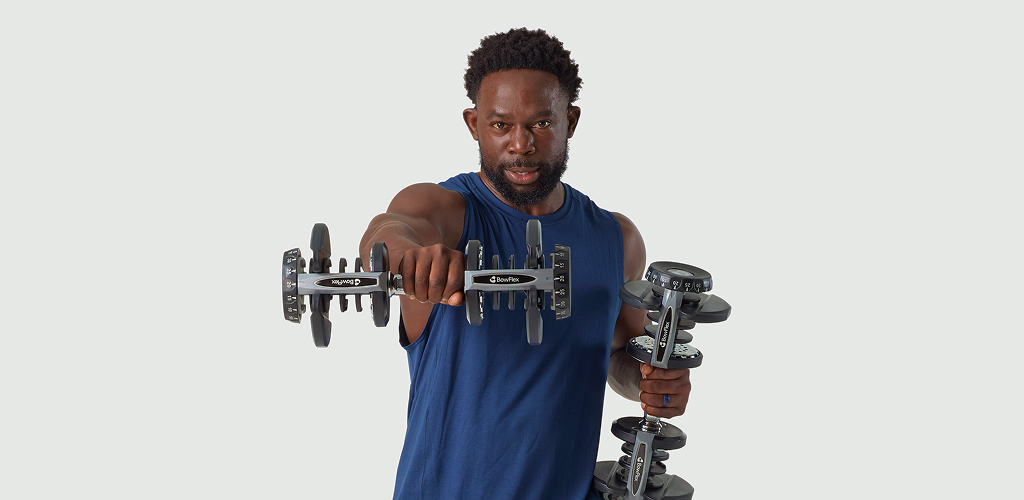
Gideon confirms that as an athlete, he prioritizes dumbbell squat to presses, reverse lunges to curl, and deadlift to bent rows — all compound movements that work multiple muscle groups.
"These three movements target most major muscle groups, from glutes, quads, and hamstrings, to biceps, triceps, and upper back," he explains. "Even though an athlete may train to compete in using very specific movements, they understand that their bodies are designed to move in 360º and they train their bodies that way for longevity and to reduce any risk of injury."
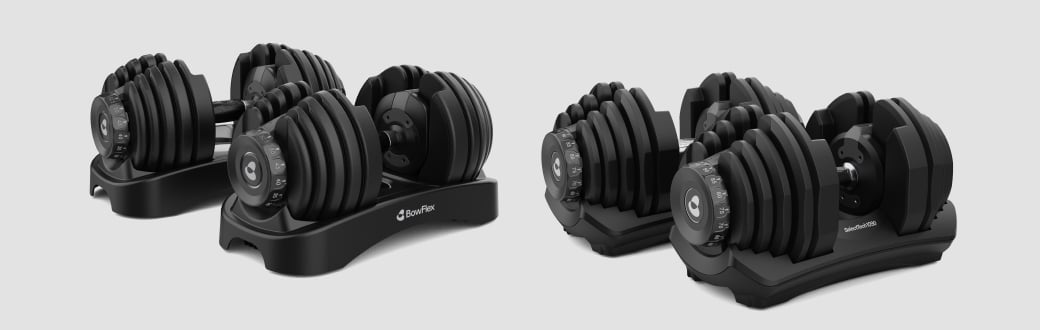
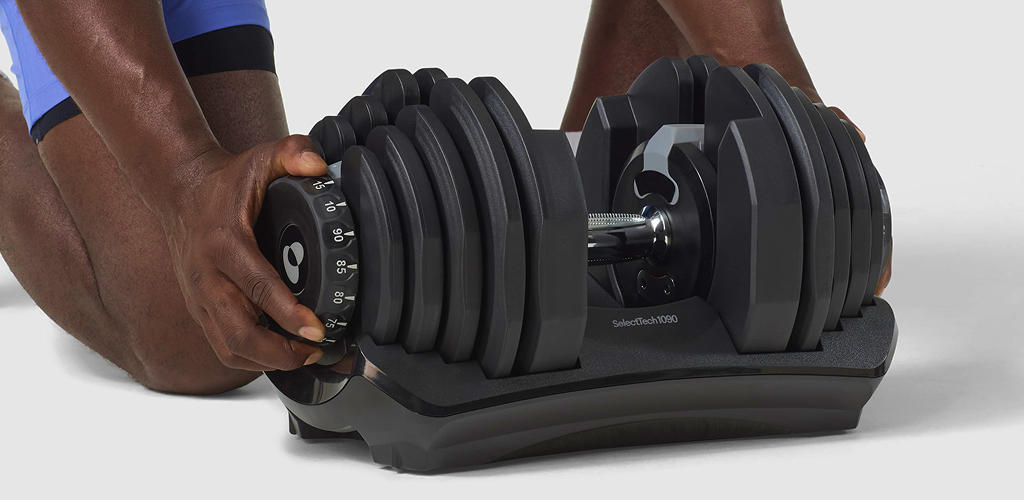
To replicate these powerhouse movements at home, having the right dumbbells makes all the difference. The BowFlex Results Series 552 SelectTech Adjustable Dumbbells dial up from 5 to 52.5 lbs., so you can move between lighter warm-up sets to more challenging push sets without interrupting your flow. If you're looking to lift heavier, opt for the BowFlex Results Series 1090 SelectTech Adjustable Dumbbells, which dial up from 10 to 90 lbs.
Focus Area #2: Speed & Conditioning
Athleticism can also be defined by your ability to move faster and generate power. Focused speed sessions can help train your fast-twitch muscle fibers, which are responsible for producing explosive power.
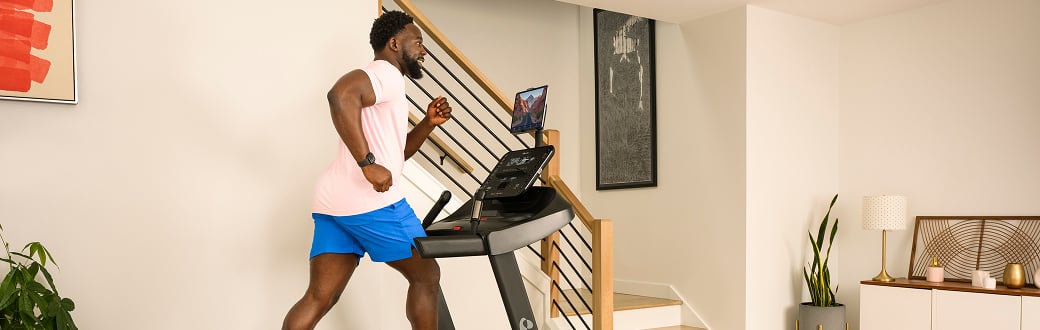
If you're looking to incorporate more traditional cardio sessions into your workouts, opt for a HIIT session on an incline elliptical, or a speed run on a treadmill. You can also train for speed and conditioning with dumbbells through movements like jump squats, lateral shuffles, and dumbbell snatches.
Focus Area #3: Functional Movement
Most sports require movement in multiple directions, so athletes typically train their bodies to rotate, sprint, decelerate, change direction, and stabilize — it's not all about pushing or pulling. With that in mind, incorporating functional movements like weighted lateral lunges, rotational rows, and single-led deadlifts, as well as core work, into your strength routine is important to diversify the muscle groups you're working, just like athletes do.
If you're brand new to strength training, check out our beginner's guide for tips on building a well-rounded routine that prioritizes functional movement.
Focus Area #4: Recovery & Mobility
While athletes train hard, they also carve out time to recover. When it comes to recovery, mobility, active stretching, and intentional rest days are incredibly important: building recovery time into your weekly schedule allows you to train hard without burning out.
"Recovery is everything in my personal training routine," Gideon explains. "I love keeping it basic with stretching, foam rolling, and prioritizing quality sleep. I also will dial it up with cold plunges, sauna sessions, and body work (massage). Athletes and everyday people should appreciate the importance of recovery as it allows you to maximize your potential by recuperating from the general stress of exercise — allowing you to put more effort and confidence into the next session, while also minimizing risk of injury."
Try This Athlete-Style Dumbbell Workout at Home
Grab your dumbbells and try this at-home circuit-style strength training session, inspired by the way athletes train.
Perform each exercise for 40 seconds on, followed by 20 seconds of rest. Complete 3-4 rounds, resting for 60-90 seconds between rounds.
- Dumbbell Romanian Deadlift — Hinge at the hips with dumbbells in your hands, lowering them along your legs with knees slightly bent, then drive your hips forward to stand.
- Dumbbell Snatch (Alternating) — In a hinge position, drive the dumbbell from the floor directly overhead in one motion. Alternate between sides.
- Lateral Lunge to Curl — Step out to the side into a lateral lunge while holding a dumbbell in each hand, then push back to standing and perform a biceps curl.
- Bent-Over Dumbbell Row — Hinge forward with a dumbbell in each hand, then row them toward your ribcage while squeezing your shoulder blades.
- Goblet Squat — Hold a dumbbell vertically at chest level and squat down while keeping your chest tall, then press through the heels to stand.
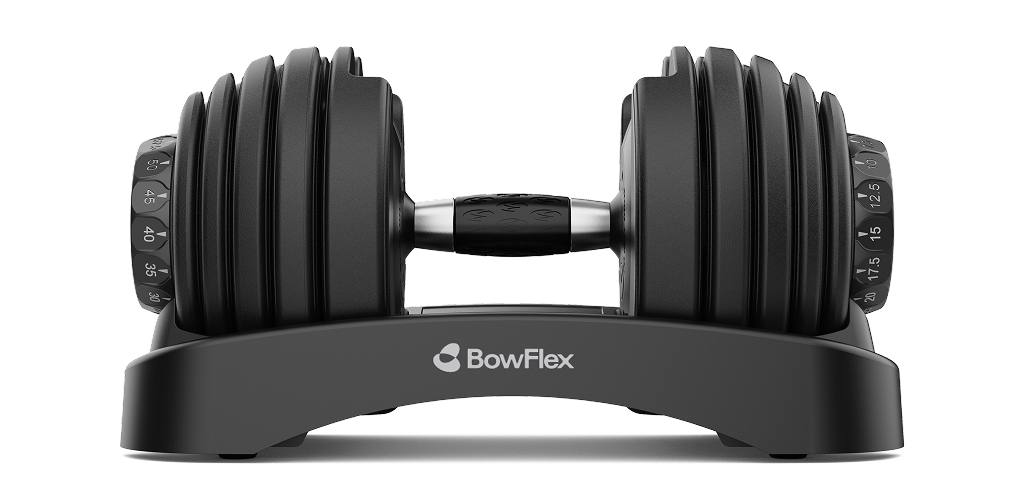
Athlete-Level Strength Training at Home: BowFlex Results Series Dumbbells
Athlete-style training demands equipment that moves as fast as you do. The Results Series dumbbells deliver with a wide weight range and the quick-adjust dial system keeps your rest times short and your intensity high.
"I'm a fan of the Results Series Dumbbells because they make great sense," Gideon says. "My home gym is about practicality and efficiency. Instead of 15+ individual sets of dumbbells, I can use 1 set that allows me great range in my weight selection without taking up excessive space. The quick adjustment dials are smooth and keep my workouts flowing, especially when completing a fast-paced workout on an interval timer. The weights aren't flimsy either: even during explosive workouts the reinforced metal plates feel strong and secure."
The Results Series 552 dumbbells cover 5 to 52.5 lbs. in a single set, ideal for speed work and upper body press movements, while the Results Series 1090 dumbbells offer weights up to 90 lbs. for more experienced athletes. Both sets of dumbbells are built with durable metal components, and each come with dedicated storage trays to keep your training space clean and efficient.
Plus, you can use the Results Series dumbbells with the JRNY app to access trainer-led classes that adapt to your fitness level over time and keep your training progressing forward.
How to Build Consistency Like an Athlete
Elite athletes don't just train when they feel like it. They train because each session helps them work toward a larger goal. Building that same consistency in your home gym could look like:
- Defining your own goal
- Scheduling your strength training sessions like appointments
- Tracking your lifts and sets so you can focus on progressive overload over time
- Switching up your training blocks to focus on different muscle groups each time
Gideon affirms that the key to consistency with training all comes down to mindset and motivation. "I establish a reason to train that is greater than any excuse not to," he explains. "Those reasons may be a special family member, the accountability and camaraderie of training with friends, the encouragement of gradual and incremental progress, the anticipation of crossing the finish line, or all of the above."
While your reason to train may change over time, Gideon always recommends coming back to your why. "Always ask yourself, "what is my 'WHY'?", and tap into that that when things get tough."
Shop the BowFlex Results Series 552 SelectTech Adjustable Dumbbells and the BowFlex Results Series 1090 SelectTech Adjustable Dumbbells and start training like an athlete today.
FAQ: How to Train Like an Athlete at Home
Can I really train like an athlete with just dumbbells?
Absolutely. Adjustable dumbbells are one of the most versatile tools in any athlete's toolkit. With a wide weight range like the Results Series 552 (5-52.5 lbs) or 1090 (10-90 lbs), you can replicate the same compound lifts and explosive exercises that athletes focus on in professional training environments.
How many days a week should I train like an athlete?
Most training programs include 3-5 sessions per week, with intentional rest or active recovery days in between. Start with 2-3 sessions with a mix of upper and lower body exercises and scale up from there.
What's the difference between the 552 and 1090 dumbbells?
The Results Series 552 dumbbells adjust from 5 to 52.5 lbs and replaces 15 sets of weights, ideal for upper body sessions, speed-focused circuits, and all-around training. The Results Series 1090 dumbbells extend the range up to 90 lbs and replace up to 17 sets, making it the go-to for heavier lower body moves and serious strength work.
Do I need other equipment to train like an athlete at home?
A solid pair of adjustable dumbbells goes a long way, but pairing them with an adjustable bench opens up a wider range of pressing and pulling movements. If you want to add cardio into your routine, check out the BowFlex Max Trainer incline ellipticals or treadmills to complete your setup.
Get workout inspiration, wellness tips, and the latest deals sent to your inbox.
The content on this blog is for informational and entertainment purposes only and should not be considered medical advice. This information is not a substitute for professional medical diagnosis, treatment, or advice. Always consult with your physician or another qualified healthcare provider before beginning any new exercise program, making changes to your fitness routine, or if you have questions about your health.
You may also like:
How to Choose the Right Adjustable Dumbbell for Your Home Gym