
Strength Training Tips For Runners: How Strength Training Helps Prevent Injury and Improve Running Speed

For many runners, logging miles outdoors or on the treadmill often feels like the quickest way to achieve a personal best. But if your training plan only includes cardio, you're missing out on a proven way to boost your speed and endurance: strength training.
To break down why strength training matters for runners, we tapped Gideon Akande — BowFlex Fitness Advisor, fitness coach, personal trainer, and 9x marathoner — to share his expert perspective, favorite equipment, and go-to strength training workout.
Benefits of Strength Training for Runners
Most runners expect to see their training payoff from run days, but according to Gideon, it's strength training that plays a direct role in faster times and more efficient movement.
"Strong muscles increase force production, which propels you farther with each step," he says.
Beyond boosting speed, strength training can also help prepare your body to handle the stress of running. "Strength training challenges your ligaments and tendons to better manage the load of the repetitive movement of running," says Gideon. "This means less risk of injury and more productive training sessions which lead to improved performance."
Without strength training, runners can build up imbalances over time, which is why training opposing muscle groups is important. With this in mind, Gideon recommends prioritizing:
- Core strength — the foundation of running performance
- Hamstring strength — which is especially important when training with hills or incline
- Hip strength — which can reduce strain on the knees and back and improve running efficiency
How Strength Training Improves Running Speed and Endurance
Whether you're thinking about signing up for your first 5K or training for your next milestone distance, incorporating strength training into your routine can deliver meaningful race-day benefits.
"Over my marathon experience, strength training was key," says Gideon, who is currently training for his tenth marathon. "It helped me decrease pain and discomfort in my knees and lower back."
Regular strength training also supported lean muscle development and helped him maintain consistency. "I felt strong in my training and enjoyed both the preparation and race day, because my body didn't break down due to a solid muscular foundation."
The combination of endurance sessions and strength workouts can help runners feel strong and maintain consistency throughout their training, which can lead to long-term performance gains — both on and off the course.
Common Strength Training Mistakes Runners Should Avoid
One of the most common mistakes runners make when adding strength training into their routine? Doing too much, too soon.
"Runners and those who are new to exercise often make the mistake of overtraining," says Gideon. "This can look like increasing workload too quickly or training the same muscle groups back-to-back without enough recovery time."
Overtraining can lead to fatigue, injury, and even burnout. To avoid these pitfalls, Gideon recommends:
- Starting slow, with a focus on proper form
- Ensuring the correct muscles are engaged with each movement
- Avoiding weight increases of more than about 10% at a time so your body can adapt
Why Dumbbell Strength Training is Ideal for Runners
While bodyweight training is a great starting point, it does have limitations — especially as you continue to build strength. That's where dumbbells come in.
"Dumbbell strength training introduces more versatility into your workouts," explains Gideon. "This allows for more weight options to accommodate your strength gains over time."
Their versatility is why dumbbells are often one of the first pieces of equipment experts recommend for home workouts. "With dumbbells, you can isolate and focus on one side of the body (unilateral training) to address imbalances, or you can use them to increase strength in muscle groups where you're already strong," Gideon says.
Whether you're a seasoned runner or just getting started, adjustable dumbbells are a practical tool to build functional strength at home.
A Runner's Go-To Dumbbell Set: BowFlex Results Series 1090 SelectTech Dumbbells
If you're serious about adding strength training into your routine, you need dumbbells that are durable, versatile, and built to grow with you — and your training goals.
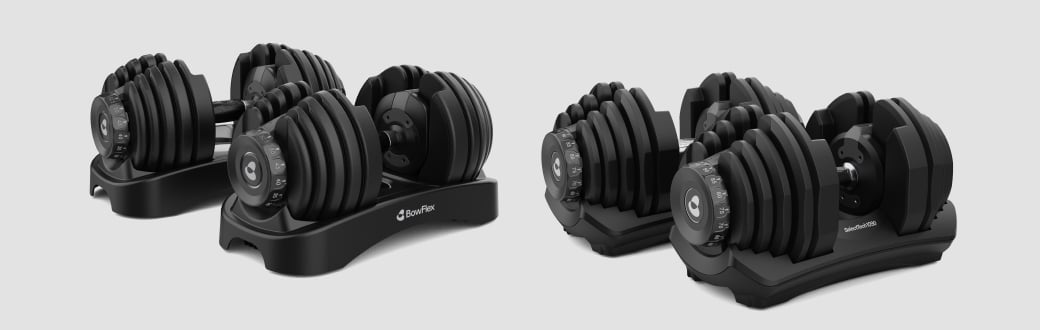
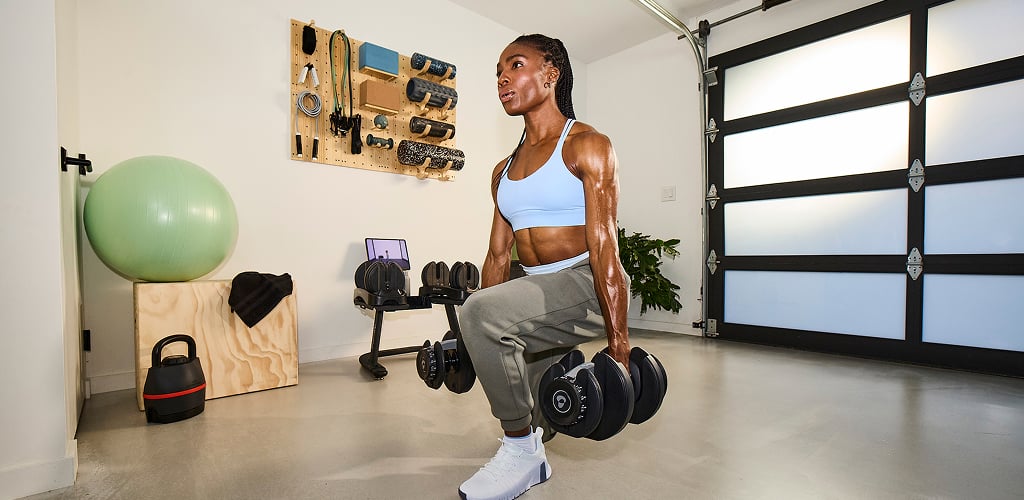
The BowFlex Results Series 1090 SelectTech Adjustable Dumbbells are built to support your every lift.
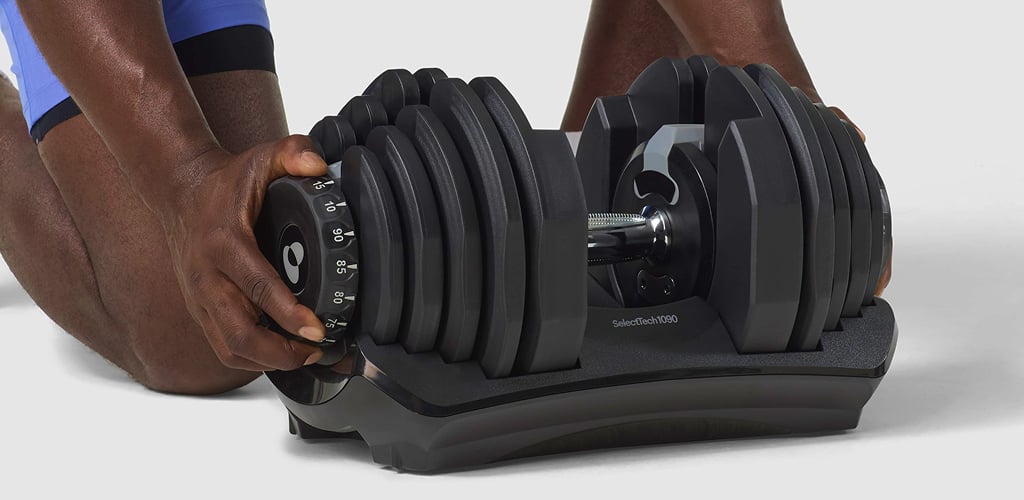
"My go-to set are the BowFlex Results Series 1090 dumbbells," says Gideon. "These quick-turn dial adjustable dumbbells start at 10 lbs. and adjust in increments up to 90 lbs. each, making them accessible no matter where you are on your strength journey."
The BowFlex Results Series 1090 SelectTech Adjustable Dumbbells are:
- Engineered for durability: The Results Series 1090 SelectTech Adjustable Dumbbells were designed with durability in mind. Made with sturdy metal components, these dumbbells deliver reliable performance across a variety of training styles, from slow, controlled lifts to high-intensity interval training-style workouts.
- Made for heavy lifting: These dumbbells are designed for lifters who want to push their limits. With weight settings ranging from 10 to 90 pounds per dumbbell, you can load up for compound lifts or scale back — all with a simple turn of a dial. They're light enough for beginners and challenging enough for experienced athletes.
- Sleek, space-saving design: Their compact, adjustable design replaces 17 full sets of weights, which means you can keep your training area streamlined without sacrificing functionality. Plus, each dumbbell comes with a dedicated storage tray that keeps the weights organized and off the floor.
Best Strength Training Workout for Runners
Finding the right balance between running and strength training is key. Gideon recommends runners target 2-3 strength training workouts each week, in addition to 2-4 runs, as well as focused rest time.
"It's best to lower the intensity of your strength sessions during race training to ensure adequate energy for runs," he adds.
If you're looking for an easy strength training routine using dumbbells, start with these foundational movements, repeating each movement 5-7 times, and for a total of 2-3 sets each:
- Dumbbell deadlifts: Hold a dumbbell in each hand with feet shoulder-width apart. Keep your back flat, chin neutral, and knees slightly bent. Hinge at your hips, lower the weights with control, then return to standing.
- Dumbbell front squat: Hold dumbbells at shoulder height with palms facing each other. Keep your chest upright, hips back, and feet grounded. Lower into a squat, then return to standing.
- Bicep curl to shoulder press: With feet shoulder-width apart, curl the dumbbells upward, then press overhead in one smooth movement.
- Bent over rows: Hinge at your hips with a flat back. Let the dumbbells hang with palms facing inward, then pull your elbows up toward your ribs while maintaining the hinge position.
FAQ: Strength Training for Runners
How often should runners strength train?
Gideon recommends runners complete 2-3 strength training workouts per week alongside 2-4 run-focused workouts, while ensuring adequate rest time.
Can strength training help prevent running injuries?
Yes. Strength training helps ligaments and tendons better manage the repetitive load of running, which can reduce injury risk and improve training consistency.
What muscles should runners prioritize in strength training?
Core strength, hamstrings, and hip strength are especially important for running efficiency, stability, and injury prevention.
Are dumbbells good for runners?
Yes. Dumbbells add versatility, allow unilateral training to address imbalances, and support progressive strength gains as runners improve.
What's a simple strength workout for runners?
Foundational movements like dumbbell deadlifts, front squats, biceps curl to shoulder press, and bent-over rows performed for 2-3 sets can support running performance.
Get workout inspiration, wellness tips, and the latest deals sent to your inbox.
The content on this blog is for informational and entertainment purposes only and should not be considered medical advice. This information is not a substitute for professional medical diagnosis, treatment, or advice. Always consult with your physician or another qualified healthcare provider before beginning any new exercise program, making changes to your fitness routine, or if you have questions about your health.
You may also like:
How to Choose the Right Adjustable Dumbbell for Your Home Gym